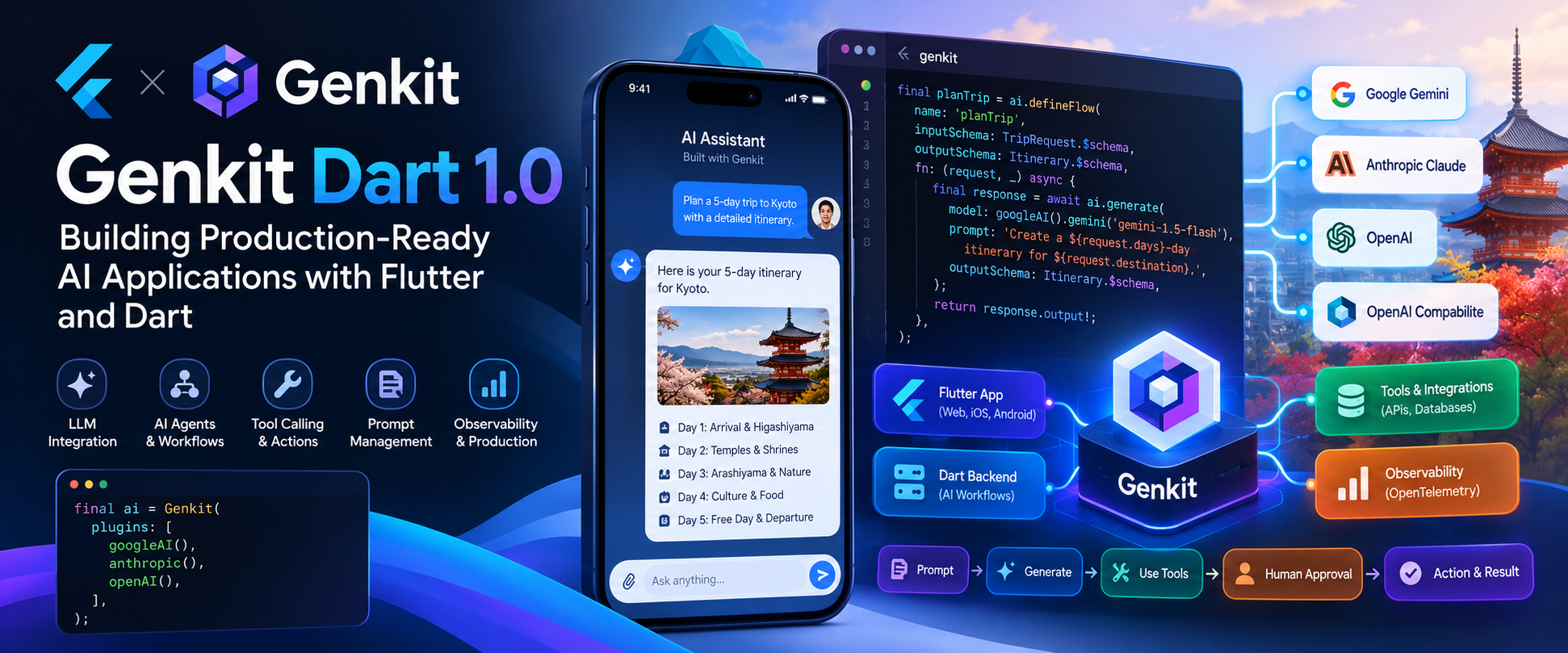
Explore Genkit Dart 1.0, Google's open-source AI framework for Dart and Flutter. Learn how to integrate LLMs, build AI agents, implement type-safe workflows, connect backend services, manage prompts, and develop secure, production-ready AI applications.
Modern automotive and discrete manufacturing plants generate thousands of production, quality and inventory data points every shift. Traditional spreadsheet planning cannot keep pace with demand volatility, equipment degradation and supplier risk. This technical guide shows how multi-agent AI systems (built with AutoGen-style orchestration) continuously compute line-level attainment, demand gaps, downtime hours, defect rates and 7-day inventory positions, then generate prioritized corrective actions for maintenance, overtime and procurement. Complete architecture, KPI mathematics, agent contracts, ERP/MES integration patterns and a full automotive components case study are included.
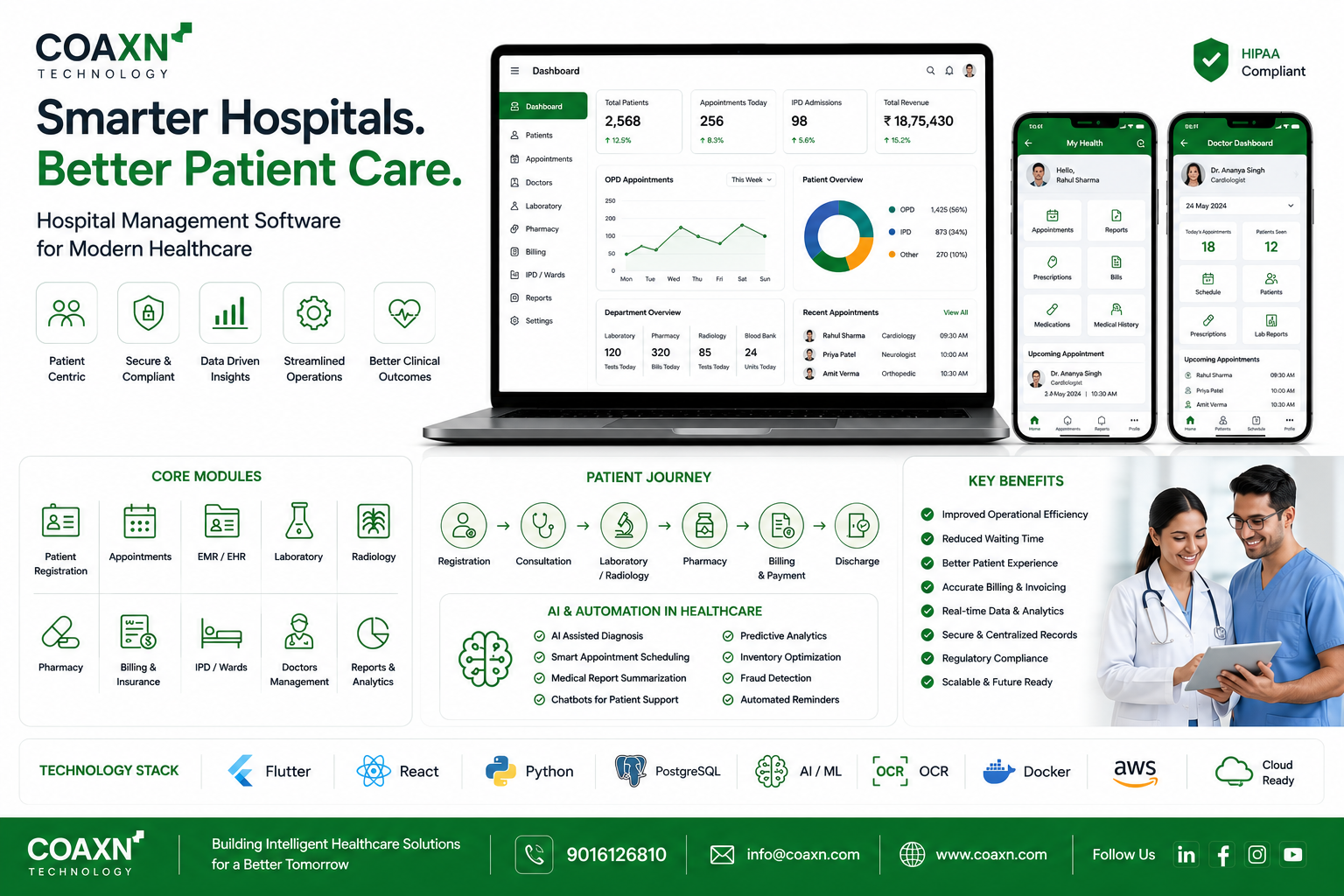
Discover how modern Hospital Management Software (HMS) streamlines patient care, appointments, billing, pharmacy, laboratory operations, and hospital administration while improving efficiency and patient experience.
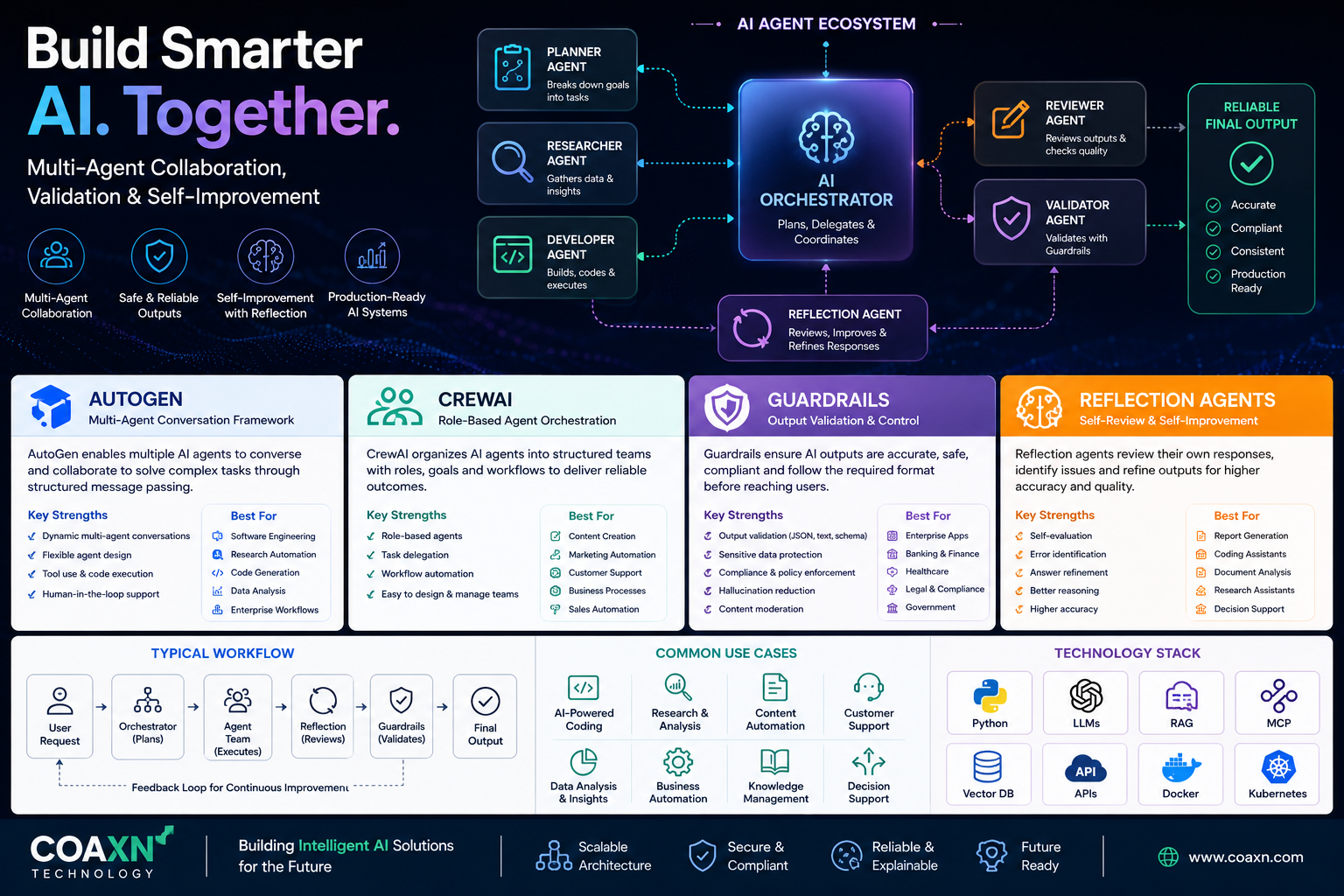
Explore the strengths, weaknesses, and ideal use cases of AutoGen, CrewAI, Guardrails, and Reflection Agents. Learn how these technologies work together to build reliable, production-ready AI agent systems.
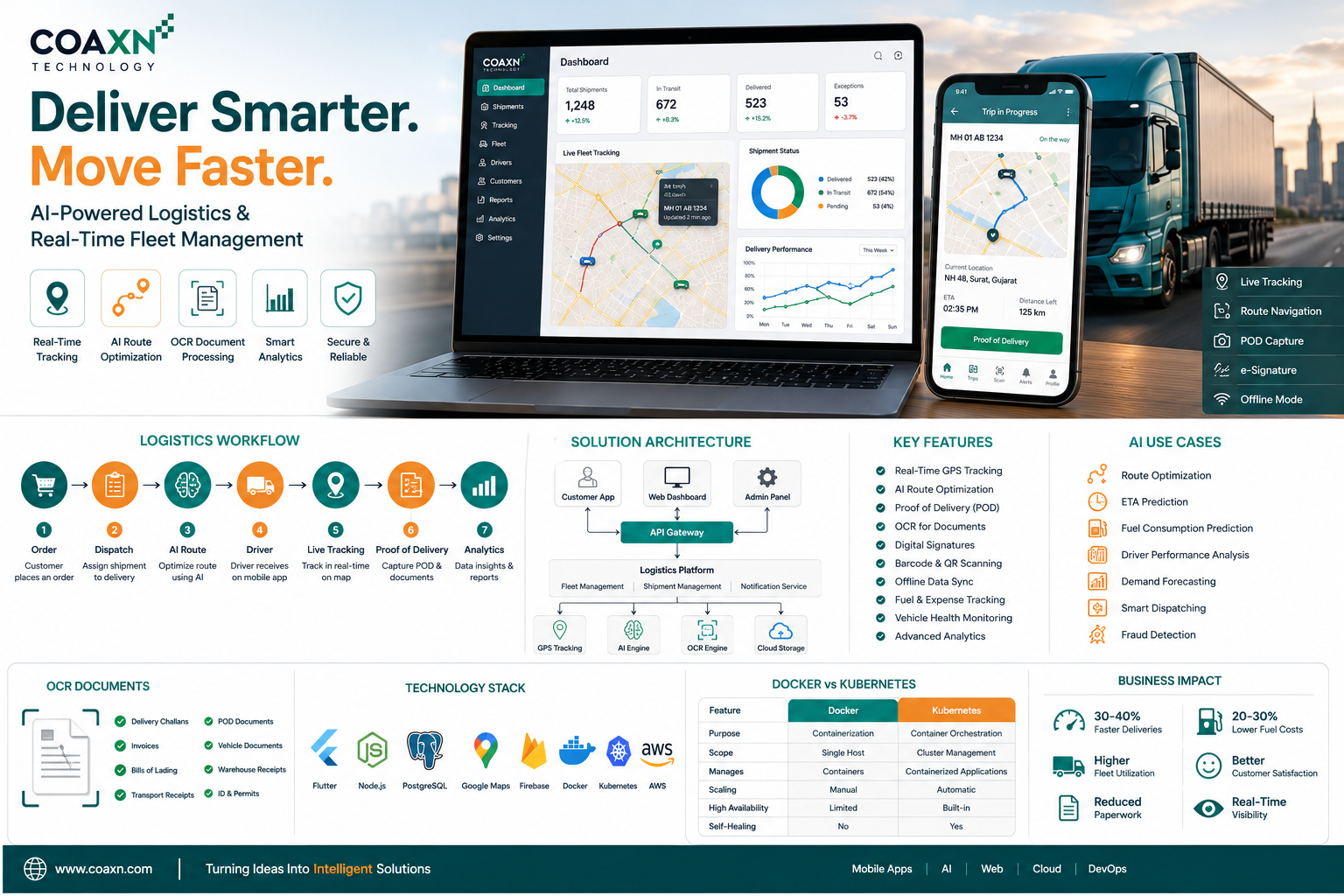
Discover how logistics companies use AI, mobile apps, GPS tracking, OCR, and automation to optimize fleet operations, reduce delivery costs, and improve customer satisfaction.
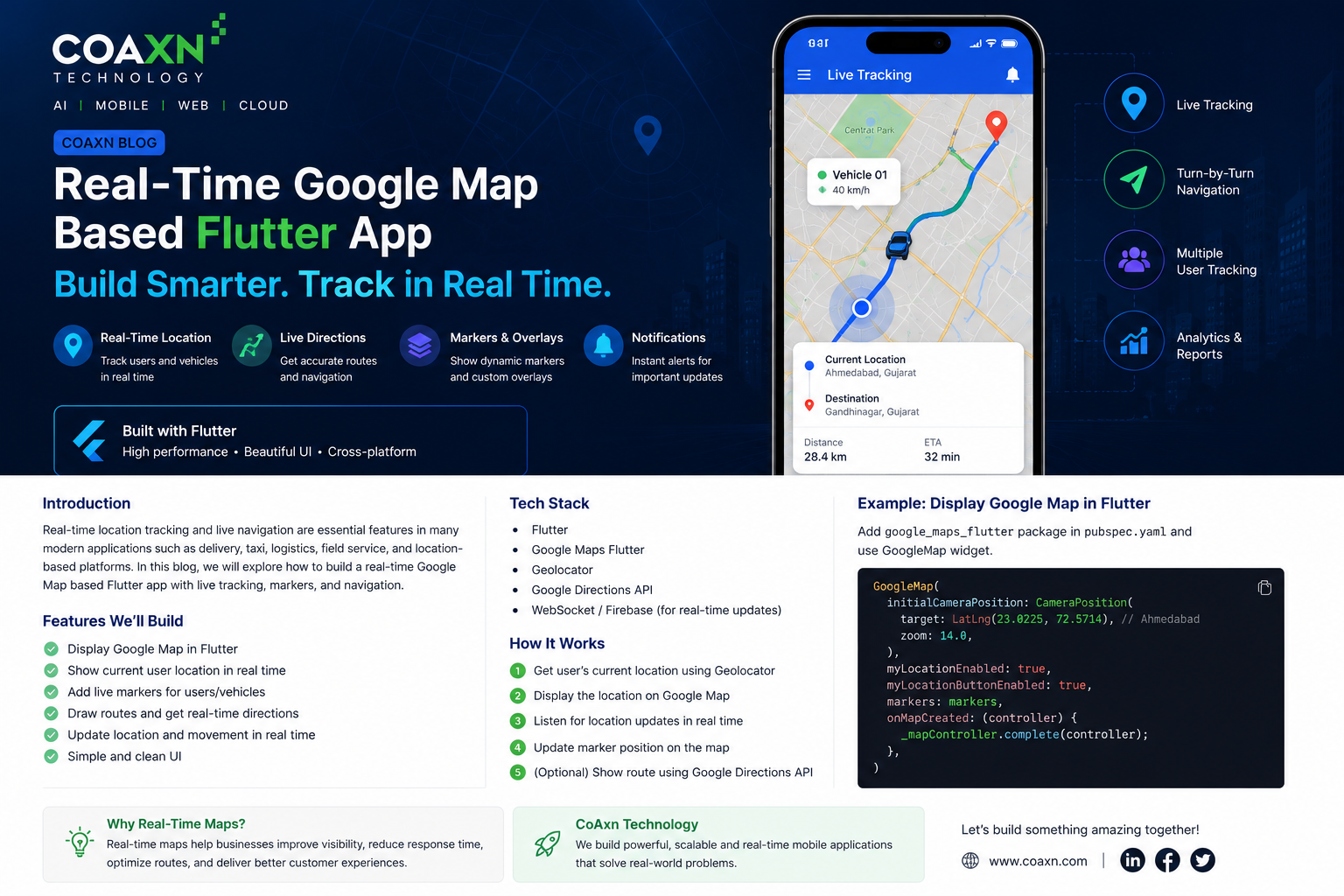
Learn how to build a real-time Google Maps application in Flutter using live location tracking, Google Maps SDK, Geolocator, Firebase, and WebSockets for seamless navigation and monitoring.
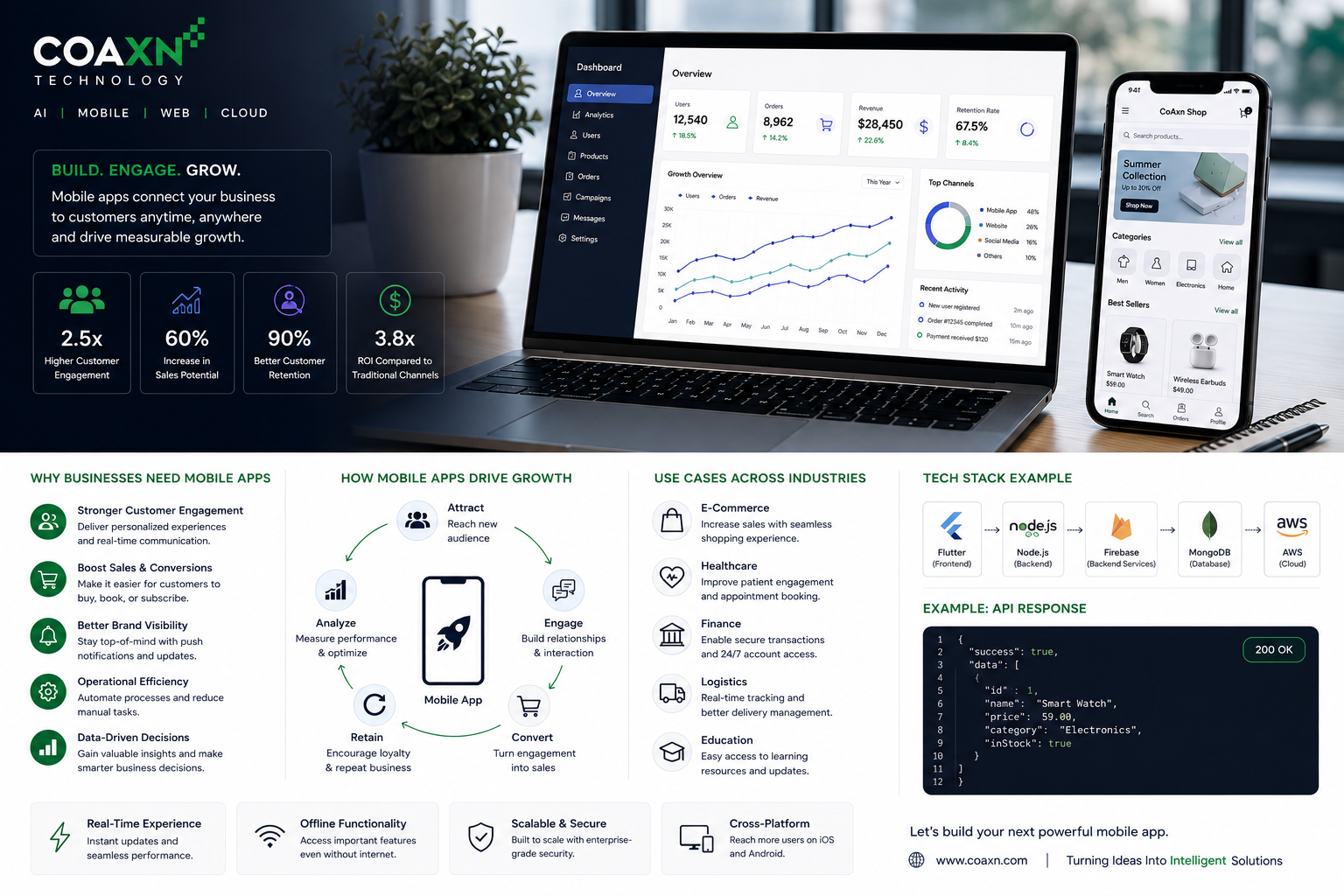
Mobile apps help businesses improve customer engagement, automate operations, and create better digital experiences. Discover why mobile app development matters in 2026.
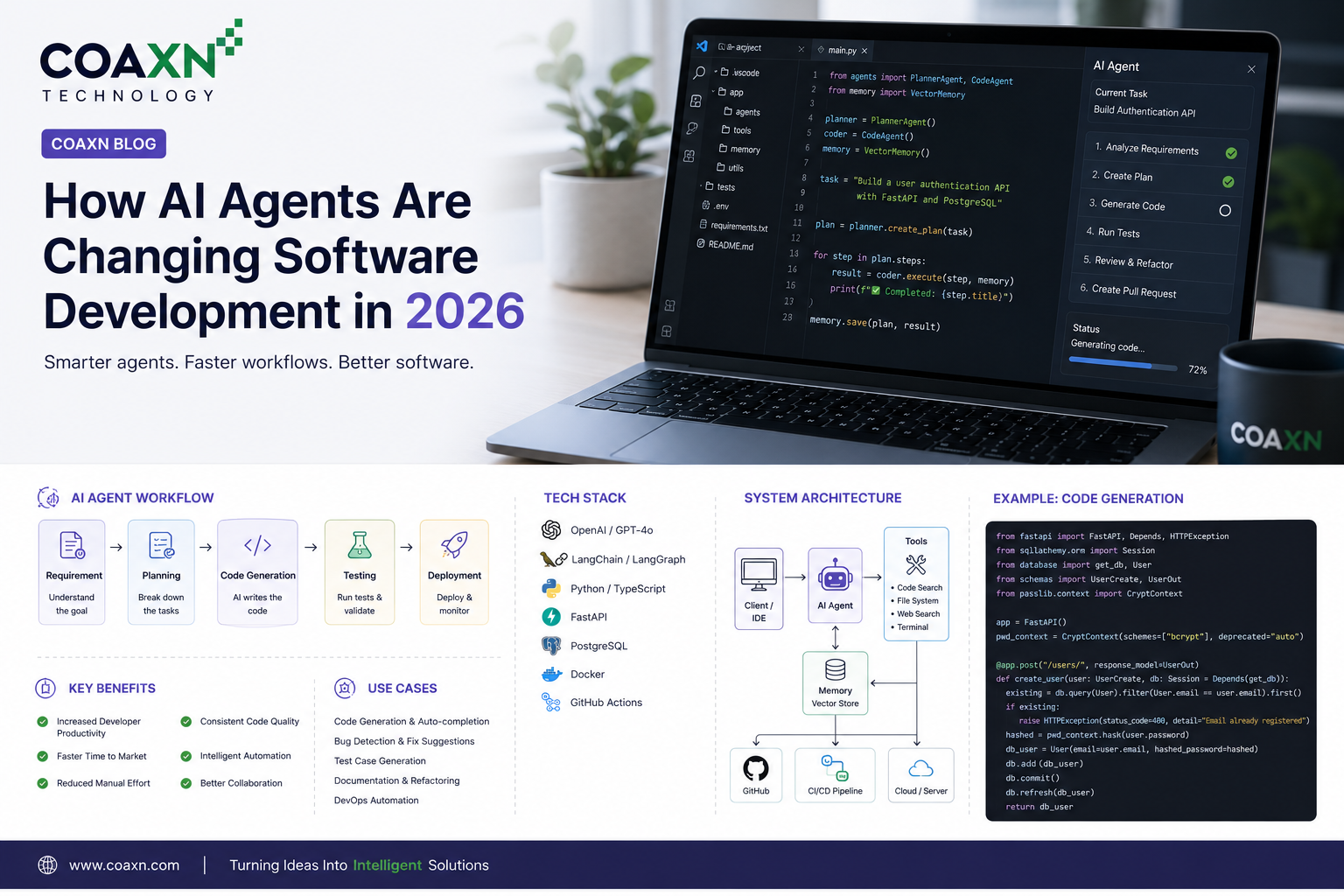
AI agents are transforming software development by automating coding, testing, debugging, and repetitive engineering workflows. Discover how businesses can use AI agents to build software faster in 2026.